Summer on Svalbard is a time full of life, colour and endless light. When the midnight sun stays in the sky around the clock, the snow recedes and the fjords open up, the Arctic shows itself from its gentlest and most accessible side. It is the high season for ship expeditions, hikes and wildlife watching – and for many travellers the ideal time to experience Svalbard in all its diversity.
Throughout the summer, the sun does not set on Svalbard. Twenty-four hours a day, the landscape is bathed in daylight, and day and night merge into one endless, bright continuum. This midnight sun gives summer a very special energy: there is always enough time for activities, and tours can take place flexibly at any hour of the day or night.
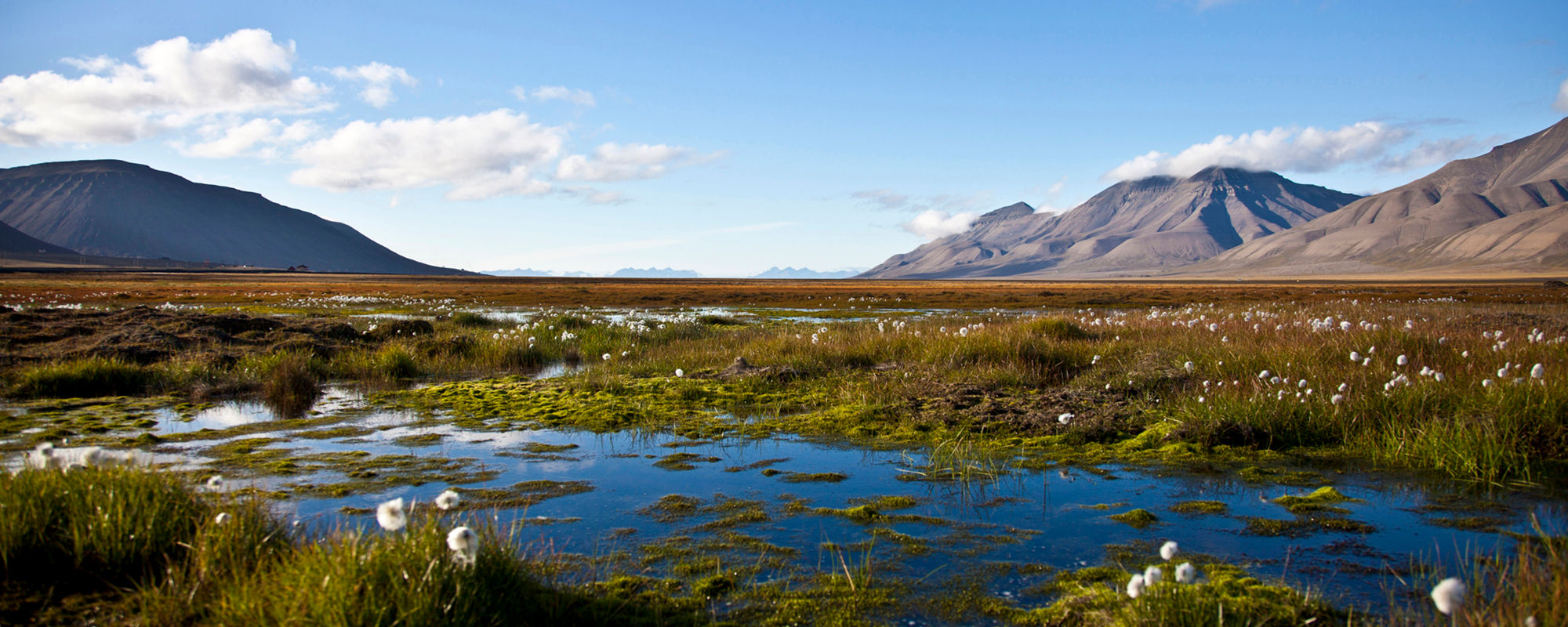
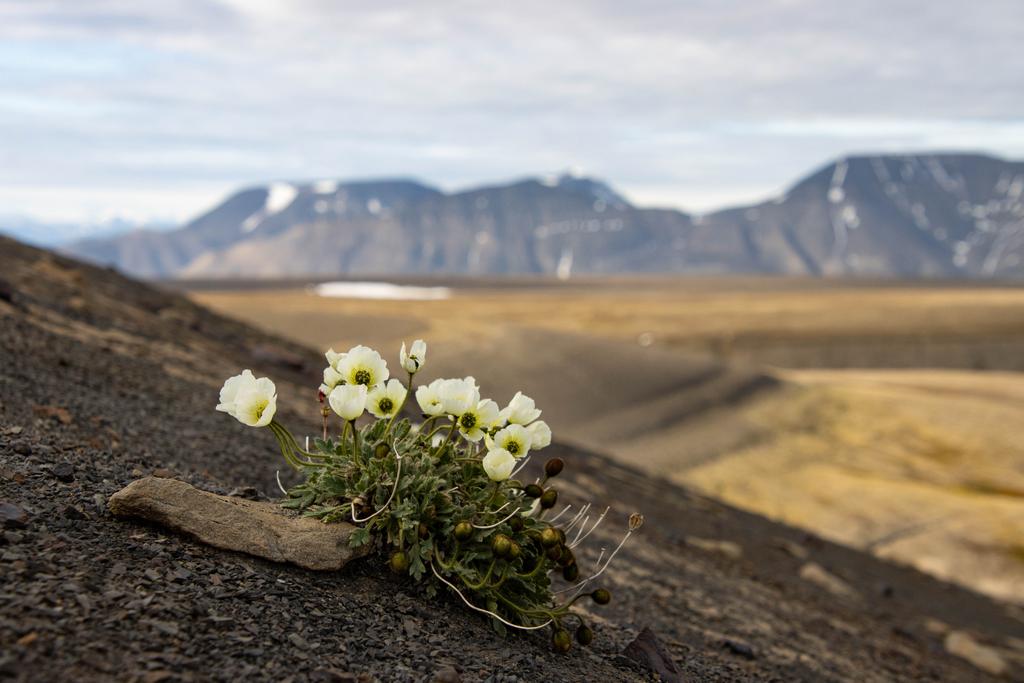
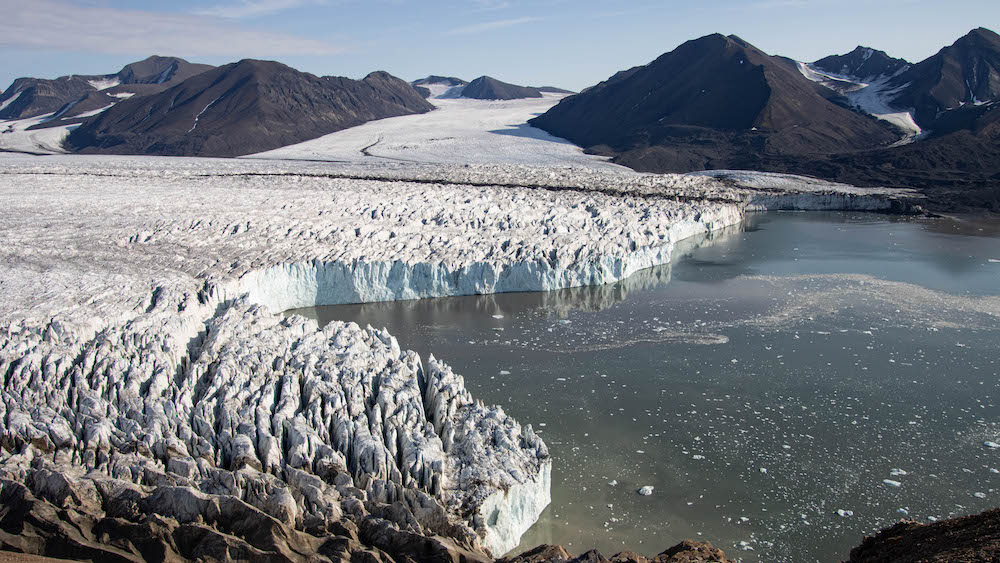
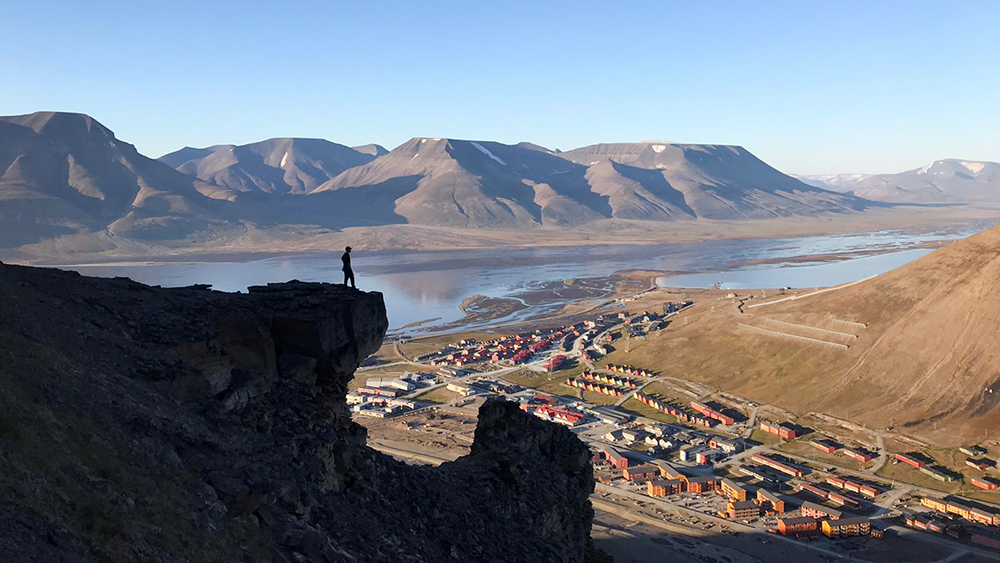
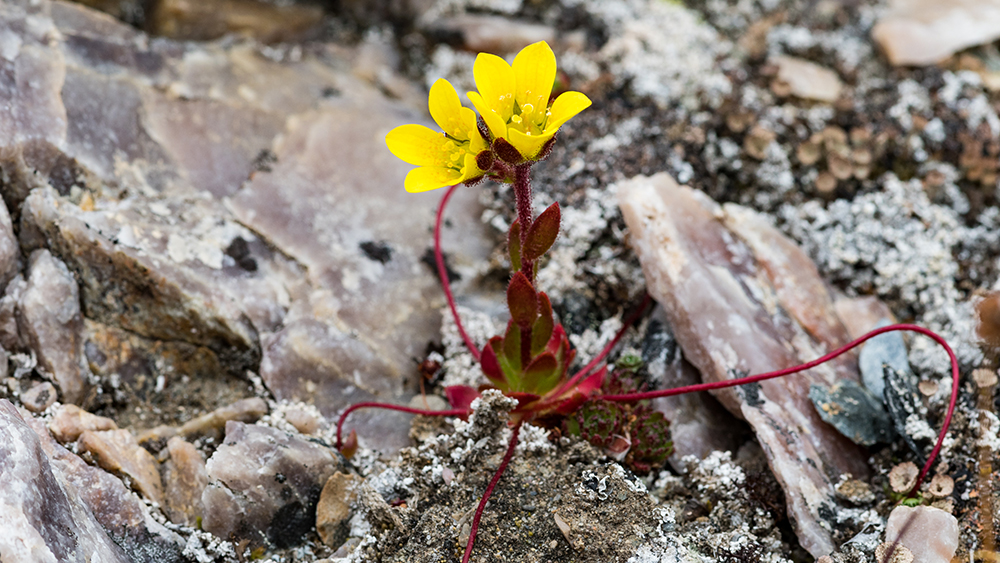
In summer, Svalbard transforms. The snow largely retreats, revealing a surprisingly diverse landscape: the tundra blossoms in delicate shades of green, and countless Arctic flowers – such as the Svalbard poppy or the polar willowherb – add colourful touches to the vastness. The fjords are now ice-free, waterfalls cascade down the slopes, and the mountains reveal their bare, striking contours. Only the higher glaciers and the highest peaks remain covered in ice and snow all year round.
Summer is the mildest season on Svalbard. Temperatures usually range between +3 °C and +10 °C, with higher values possible on particularly warm days. Despite the comparatively mild conditions, the weather remains typically Arctic and can change quickly – sun, wind, fog and rain often alternate. The layering principle and windproof as well as waterproof clothing are therefore indispensable in summer too. Overall, however, summer offers pleasant conditions for enjoying nature without the deep cold of winter.
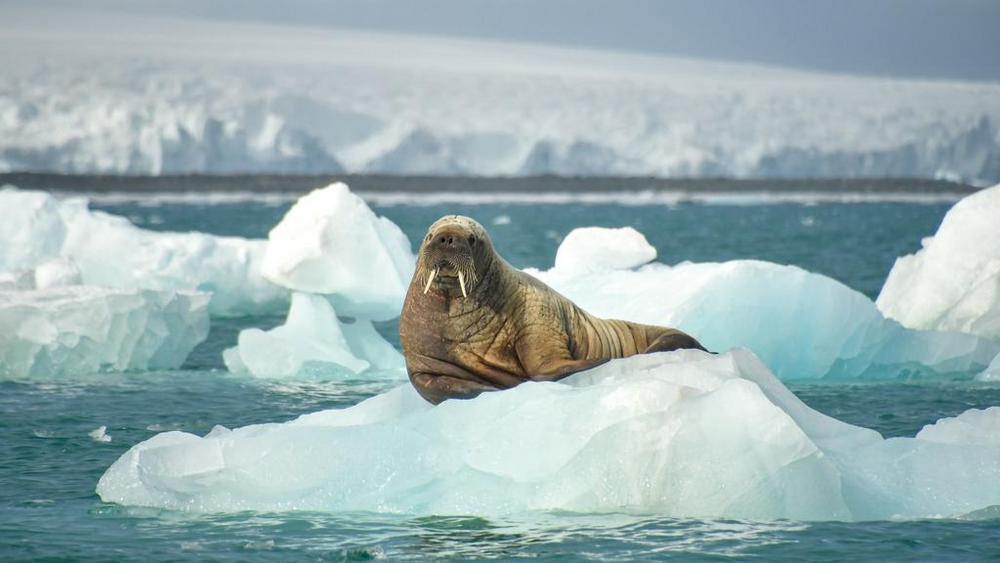
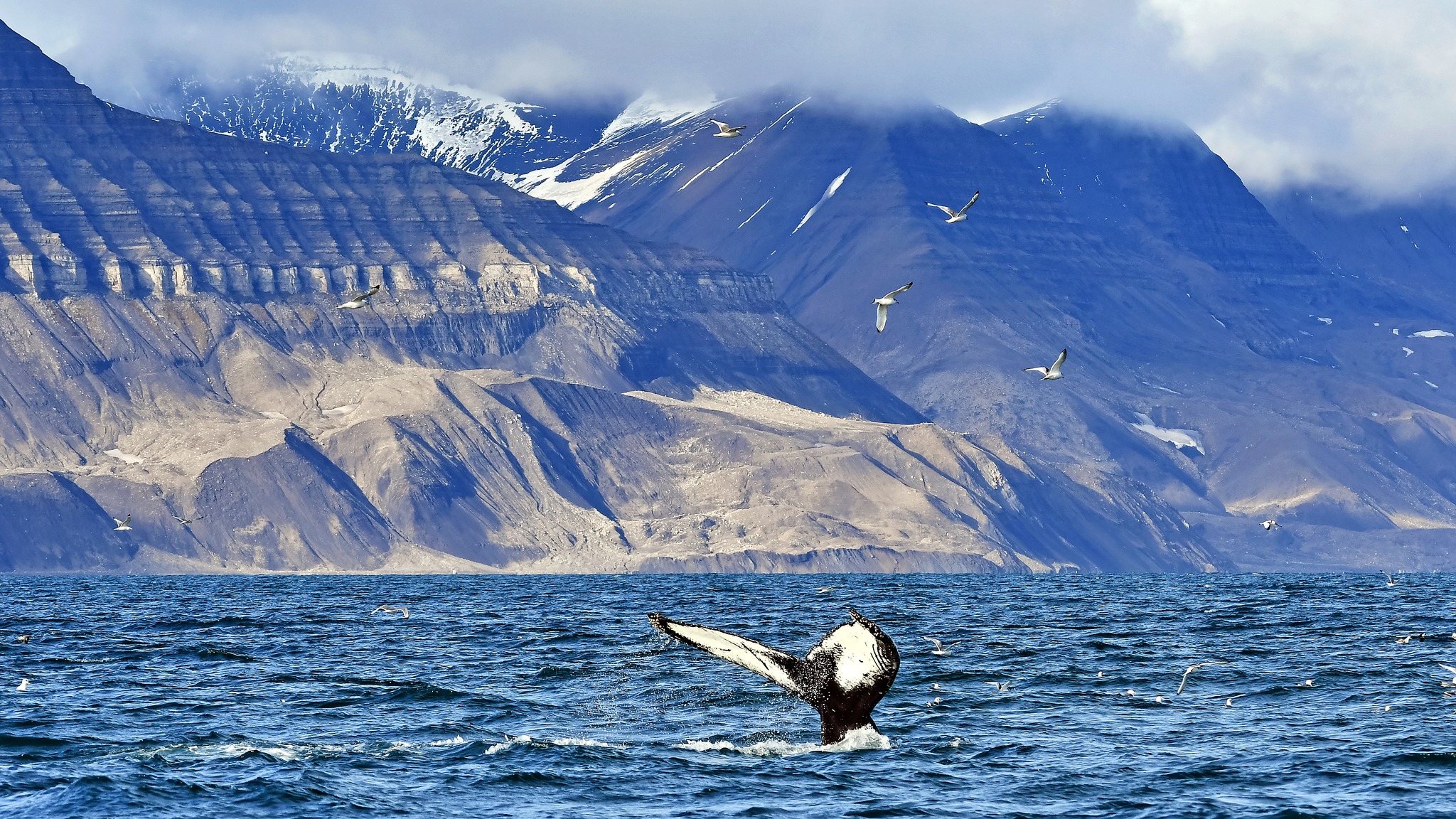
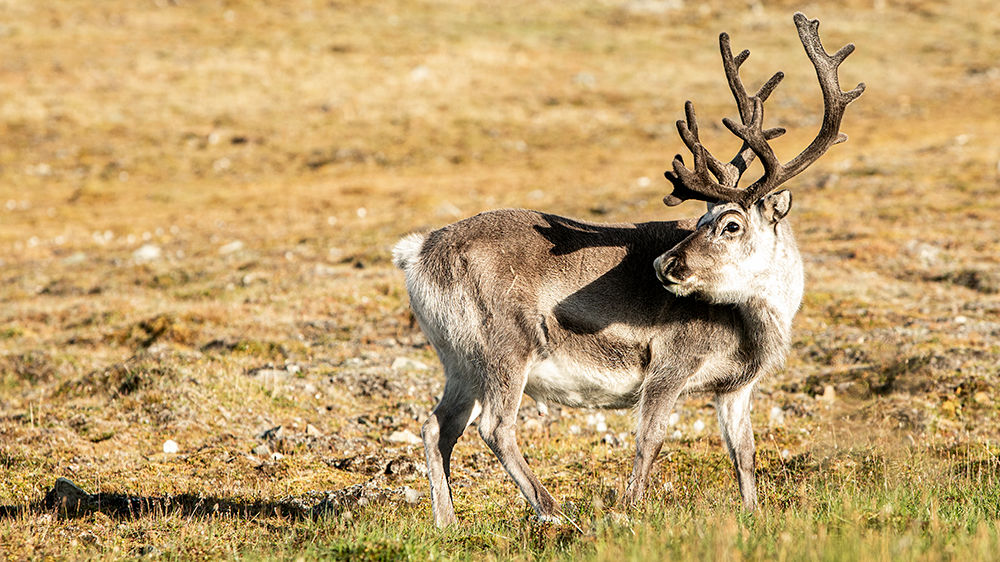
Hardly any season is as rich in wildlife encounters as summer. The bird cliffs are full of life when tens of thousands of seabirds such as Brünnich's guillemots, puffins and kittiwakes breed. Walruses gather at their haul-out sites, seals bask on the last ice floes, and in the fjords whales can now occasionally be observed too – among them belugas, minke whales and, with luck, even blue or fin whales. Reindeer graze with their calves in the tundra, and Arctic foxes roam through the landscape. Summer is thus the best time for everyone who wants to experience Arctic wildlife in all its abundance.
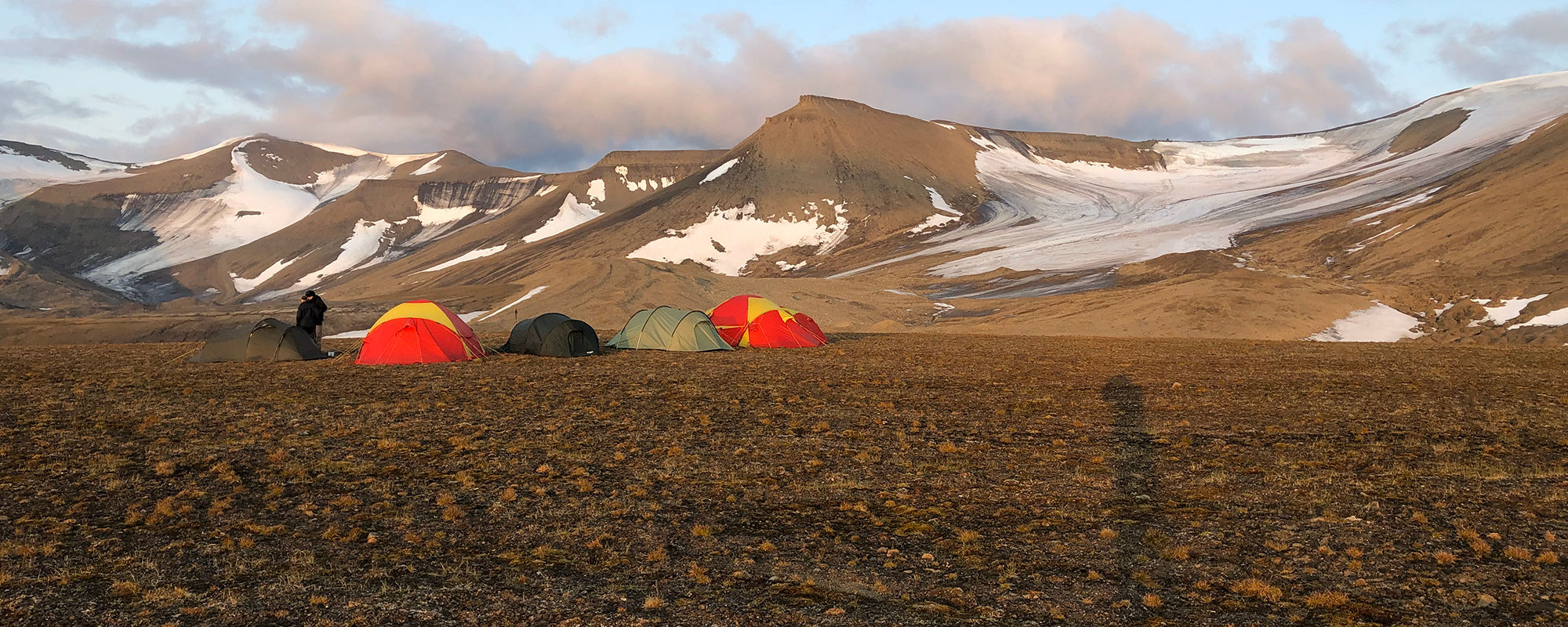
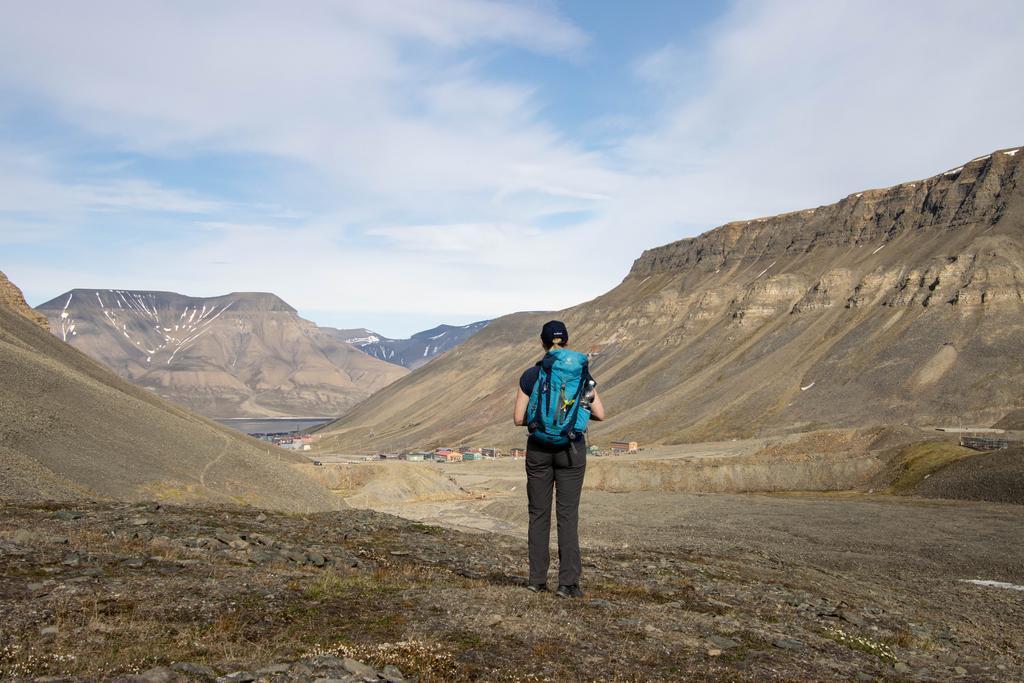
Summer is the high season for ship expeditions. As soon as the fjords are ice-free, large parts of Svalbard can be explored along the impressive coastlines – past glaciers, bird cliffs and abandoned settlements, often with the chance of impressive wildlife sightings. Hikes of all difficulty levels are now possible too, from leisurely tours through the tundra to demanding multi-day trekking tours. Kayak tours in front of glacier fronts, boat excursions and tent expeditions round off the diverse range on offer. Wintry activities such as snowmobile or dog-sledding tours on snow, however, are no longer possible at this time – the dog sleds are swapped for wheeled carts.
Summer is the perfect choice for everyone who wants to experience Svalbard in all its vitality – with endless light, blossoming tundra, ice-free fjords and wildlife in full splendour. Those who want to discover the Arctic at mild temperatures, on the water and under the sign of the midnight sun will find in summer what is probably the most accessible and lively season of all.
A private tour means full flexibility — in route, breaks, photo stops, and pace. Get in touch — we'd be happy to put together a personalized offer for you.
Contact
+47 952 000 55
info@spitzbergen-reisen.no