Everyone has heard of the half-yearly polar days and polar nights. But what does it actually mean to live in a world where the sun does not rise for months on end? On Svalbard, this period is called the "dark season" – a phase of deep, all-encompassing darkness in which the Arctic comes to rest. For many, this sounds challenging at first, but those who experience the dark season discover a beauty all of its own, almost magical, that exists nowhere else.
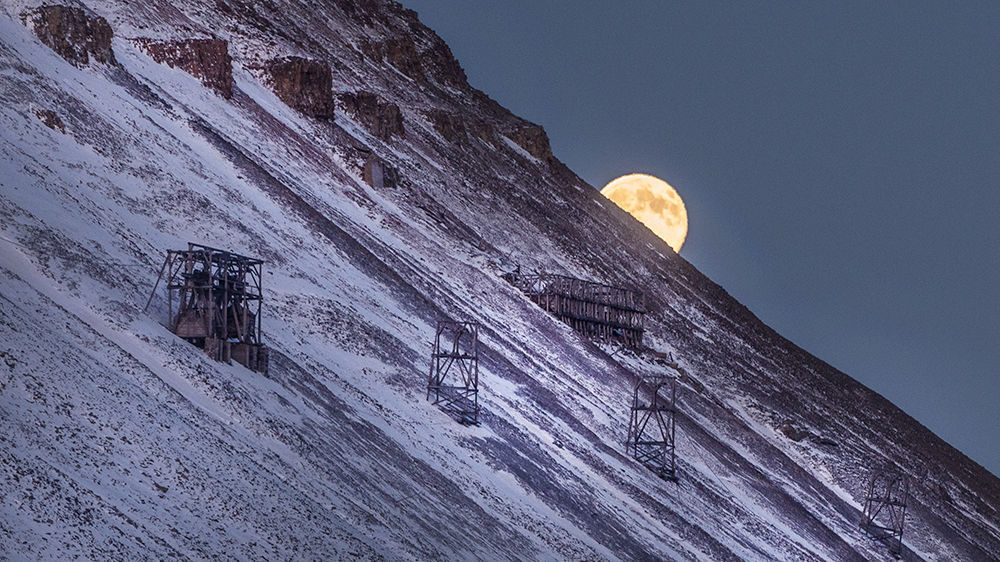
During the dark season, the sun does not rise above the horizon on Svalbard. Unlike the twilight in February, here even the indirect daylight is missing: from mid-November to the end of January, the true polar night prevails, when it remains dark even at midday. The world is reduced to the essentials – to the light of the stars, the moon and, with a little luck, the glow of the northern lights in the sky. For the residents, this time is an integral part of life this far north, characterised by cosiness, candlelight and a special sense of community.
The polar night is caused by the tilt of the earth's axis. Since Svalbard lies far north of the Arctic Circle, the earth rotates during winter in such a way that the sun remains permanently below the horizon for the region. The further north you are, the longer this phase lasts. In Longyearbyen, the sun disappears as early as the end of October and only returns to twilight in February. The deepest and darkest phase – the actual dark season – lies in the months from November to January.
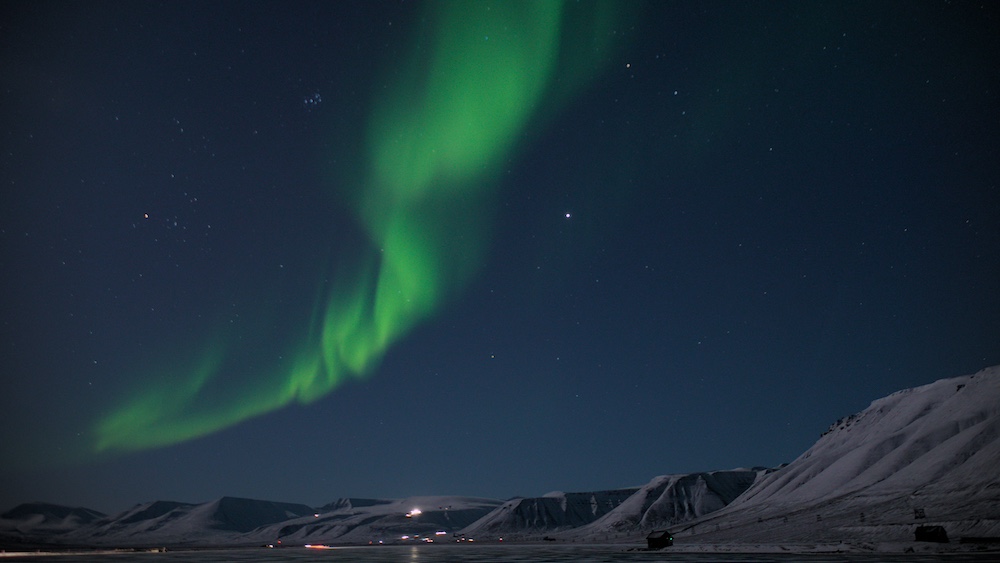
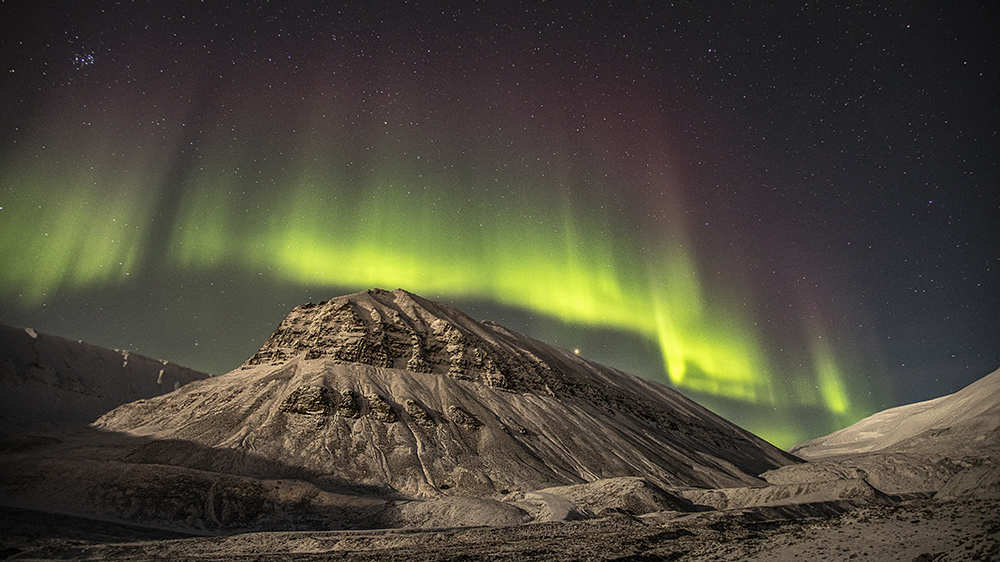
What makes the dark season so special for many travellers is the possibility of seeing the northern lights at any time of day. While in more southerly regions you depend on the night, on Svalbard during the dark season the aurora can dance across the sky even at midday – provided the sky is clear and the solar activity is high enough. Green, and sometimes also violet and red veils then drift silently over the snow-covered landscape, creating a natural spectacle that no one ever forgets.
The dark season brings not only darkness but also biting cold. Temperatures often range between 0 °C and -25 °C, but can feel considerably colder in the wind. At the same time, the cold ensures particularly clear, dry air. Those who are well equipped can enjoy the conditions to the fullest. On all dog-sledding and snowmobile tours, warm specialist clothing is of course provided (full-body snowmobile suit, thick boots, mittens, balaclava etc.), so that you are well prepared to face the cold.
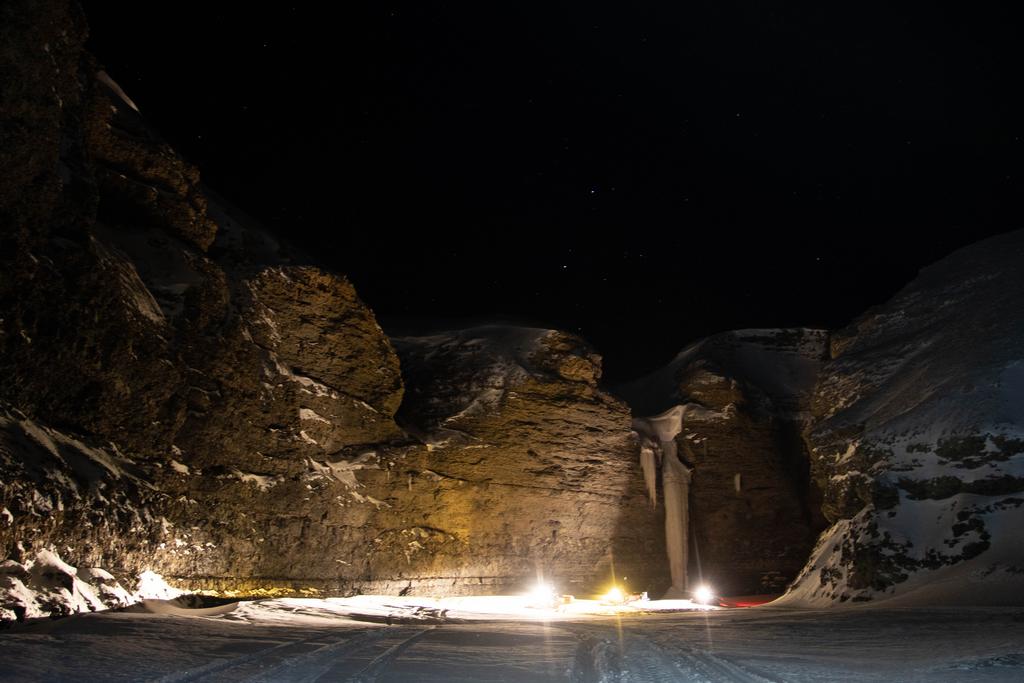
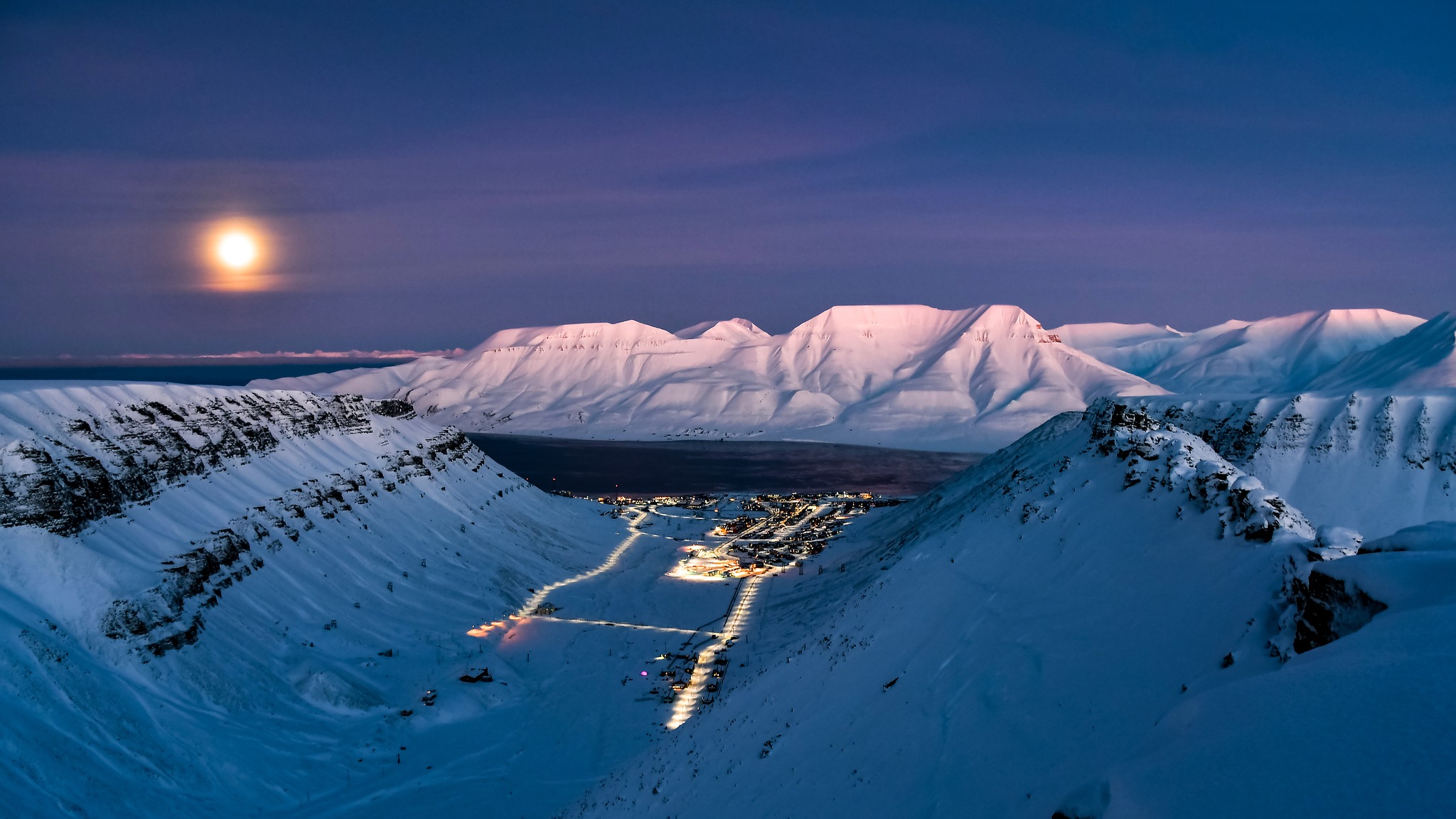
For photographers, the dark season is a very special, if demanding, time of year. Instead of classic landscape shots, the focus here is on the stars, the moon and above all the northern lights. The deep darkness allows for impressive long-exposure shots in which the aurora glows above snow-covered mountains. A stable tripod and a camera with manual settings are indispensable for this. The warm light of Longyearbyen, settling over the snow, also creates atmospheric subjects. Be sure to bring spare batteries – the cold drains them considerably faster!
Wildlife sightings are rather rare during the dark season. The whales spend the winter in the south, the walruses stay far north in the pack ice, and most birds have long since migrated to warmer regions. Polar bear sightings are very unlikely, as the bears mostly stay on the forming sea ice and are difficult to spot in the darkness – in addition, we are prohibited by law from seeking out or pursuing polar bears. Wildlife sightings therefore focus on reindeer, which can also be encountered in town, as well as, with a little luck, Arctic foxes and ptarmigan, which spend the winter on Svalbard. This makes the dark season a quiet, almost untouched nature experience, where the silence and the mysterious atmosphere of the landscape take centre stage.
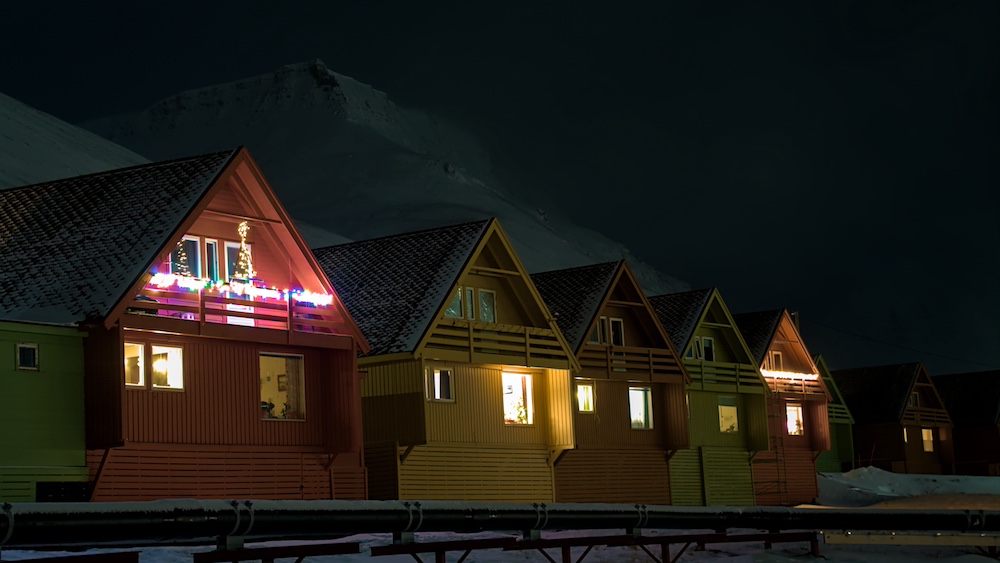
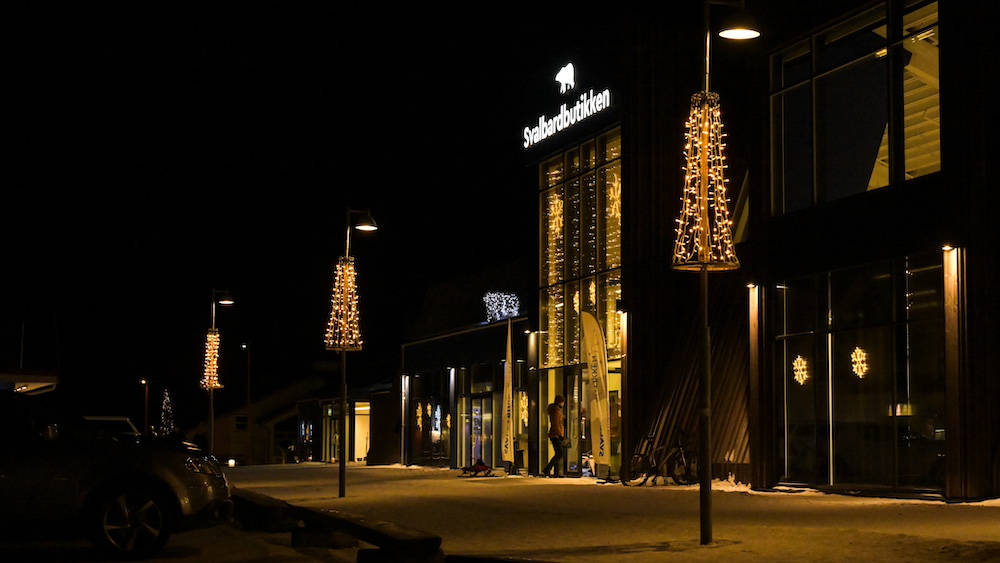
The dark season has a cultural significance all of its own on Svalbard. Instead of letting the darkness get them down, many of the residents celebrate this time. Strings of lights, candles and cosy evenings shape everyday life, and in the cafés and restaurants there is a particularly warm, inviting atmosphere. Christmas and New Year are also celebrated here in the midst of the polar night – an unforgettable experience when fireworks and northern lights light up the dark sky together. The dark season teaches us to appreciate light in its smallest forms.
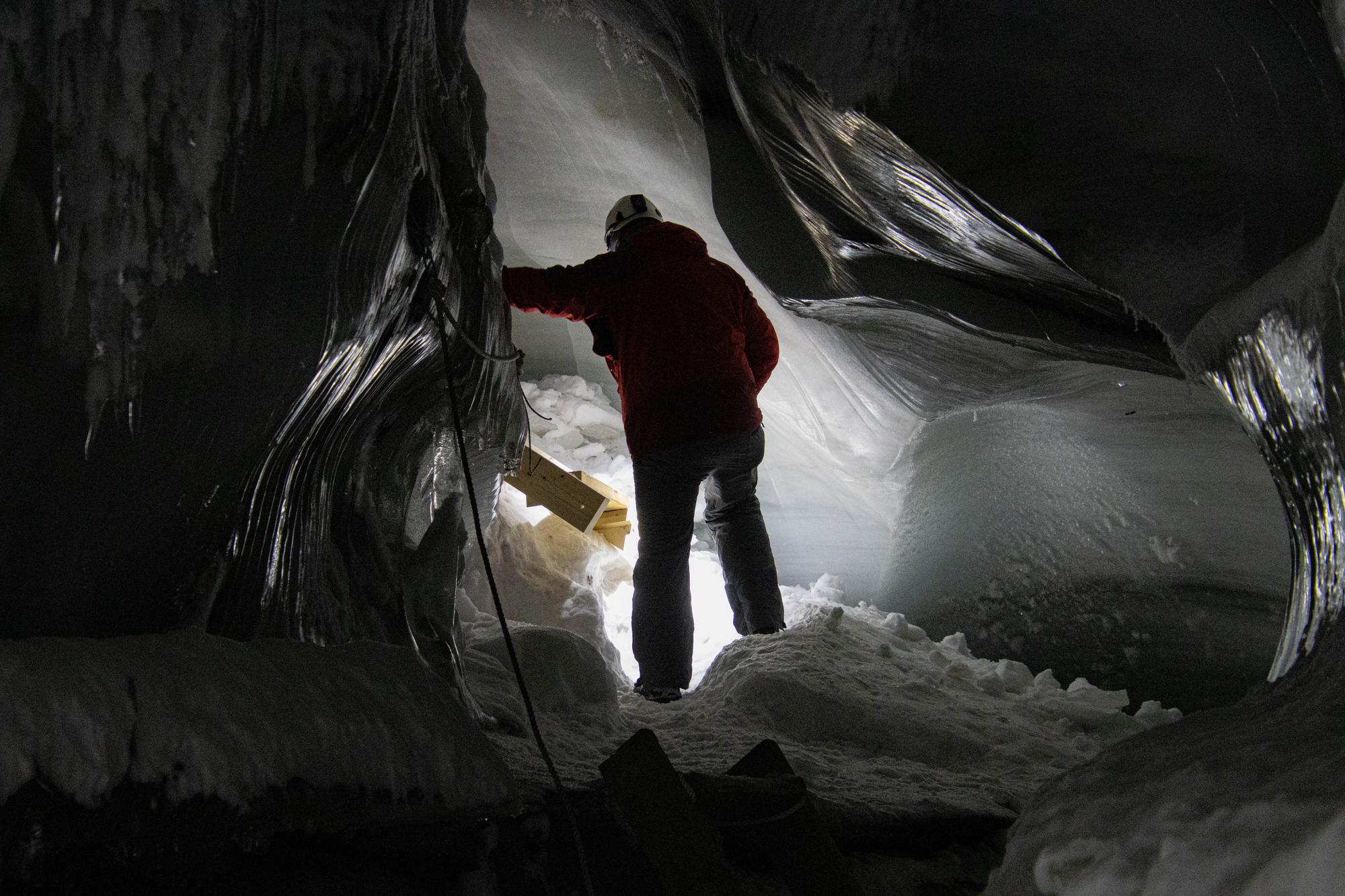
Even during the dark season, Svalbard is anything but sleepy. As soon as there is enough snow, snowmobile and dog-sledding tours are possible, on which you glide through the dark, snow-covered wilderness – often accompanied by the light of the moon or the dance of the northern lights. Hikes are possible all year round and, in the darkness, convey a very special sense of the vastness and silence of the Arctic. Ship tours, on the other hand, are not possible at this time of year, as the ships only return to Svalbard in spring.
The dark season is the right choice for everyone seeking the extraordinary: the true polar night, the chance of northern lights at any time of day, and an atmosphere that exists only in the darkest months this far north. Those who embrace the darkness are rewarded with one of the most intense and pristine nature experiences of all.
A private tour means full flexibility — in route, breaks, photo stops, and pace. Get in touch — we'd be happy to put together a personalized offer for you.
Contact
+47 952 000 55
info@spitzbergen-reisen.no